
SEAI – Domestic Solar Tariff Changes
 •January 16, 2020•5 Minutes
The Sustainable Energy Authority of Ireland (SEAI) is keen to evolve with the sustainable energy industry and referencing The Climate Action Plan, envisage an enduring support scheme for domestic renewable energy generators.
Reviewing the previous 16 months of the scheme some notable findings were made.
Findings from the original scheme:
- Grant amounts need to be rebalanced - appropriate grant amounts for consumers installing more accurately sized systems (generally smaller but with higher rates of consumption)
- Battery system prices have fallen considerably on average around € 1000
- Some homeowners had previously instaled solar PV with the intent to increase their Building Energy Rating (BER). It has been found that poorly rated homes will rate better with heating and insulation improvements so grants have been made available for these improvements
The scheme changes are as follows:
- Support for 0-2 kWp of solar will increase to €900 per kWp installed (pro-rata)
- Support for 2-4 kWp of solar will decrease to €300 per kWp installed (pro-rata)
- The scheme will transition from a rebate post works approach to a more traditional pre-works application/grant offer model
- To be eligible the home energy performance post-works must be BER C or better
In conclusion, the Grant amounts total:
- Solar PV - 0 to 2kWp (€ per kWp) Current €700 New €900
- Solar PV - 2 to 4kWp (€ per kWp)Current €700 New €300
- Battery - Current €1,000 New €600
An appropriately sized system will typically pay back the cost, net of the grant, in around ten years.
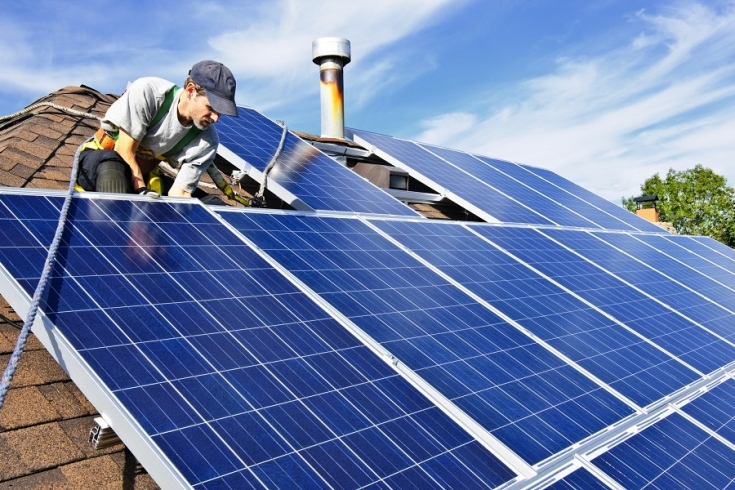
The SEAI have noted a greater interest and volume of solar and battery installs with the grant funding at a greater rate as the months go by. This has amounted to over €3.5 million being paid towards 1,500 domestic solar systems. This equates to over 5000 kWp. These impressive figures coincide with an increased number of registered solar PV installers (from 13 to now over 100 and rising!).
The Green Party performed very well in the European elections in May last year, this highlighted to the Taoiseach the importance of climate change and the need to tackle it head-on.
It is hoped that; along with the new government grants in place encouraging growth in the renewable sector, a new micro-generation scheme will be in place by early 2021. This will see tariffs introduced and consumers being rewarded for selling their excess generated electricity back to the grid and ultimately supporting the national grid.
Unfortunately at the moment, any excess energy generated by domestic solar is lost. This new scheme will enable domestic generators to financially benefit from their solar PV system.
According to estimates from the Sustainable Energy Authority of Ireland, the amount of energy generated by solar power is set to double in 2030 on rates seen in the middle of this decade.
Separately, the government is also considering ways to give consumers more information about the energy bills, to include detail on their energy use and potential energy savings.
It's an action plan that will be unveiled this summer, outlining specific actions that must be taken by the government, along with strict deadlines to complete them.
Ireland is making positive and pro-active steps to encourage the development of renewable energy generation. Building on the success of the original framework from the SEAI, the country is on course for increased overall engagement in the industry at a domestic level which in turn, should lead to higher engagement and development of renewable energy sources across the commercial industry and the utilities.
The sooner the micro-generation scheme is enacted the better.
